Service & Viscosity Guide

Best Motor Oils & Service Coupons

Compare top-rated full synthetic, high-mileage, and synthetic blend motor oils by viscosity grade and find verified service center coupons.

Fresh synthetic motor oil poured into engine

18 Motor Oils Available

Need a shop coupon instead?

Motor Oil FAQs

Buying & Viscosity Guide

What is the difference between API SQ / ILSAC GF-7 and older API SP oils?

API SQ and ILSAC GF-7 (GF-7A / GF-7B) are the newest North American motor oil standards introduced to replace API SP and ILSAC GF-6. They deliver stricter protection against timing chain wear, piston deposits, and Low-Speed Pre-Ignition (LSPI) in modern turbocharged direct-injection engines, while remaining 100% backward-compatible with older vehicles calling for API SP, SN, or SM oils.

Can I switch from conventional or synthetic blend oil to full synthetic?

Yes—you can switch from conventional or synthetic-blend motor oil to full synthetic at any mileage without flushing the engine. All modern full-synthetic motor oils are completely compatible with conventional oil residues and rubber engine seals. If your car has over 75,000 miles, choosing a High-Mileage Full Synthetic adds extra seal conditioners to help prevent seepage.

Can I mix different motor oil brands or viscosities in an emergency?

Yes, in an emergency you can top off your engine with a different brand of motor oil as long as it meets the same API certification and viscosity grade listed in your owner's manual. However, mixing different viscosities (such as adding 5W-30 to 0W-20) dilutes the oil's intended cold-flow and fuel-economy additive balance, so you should schedule a complete oil and filter change at your next convenient service interval.

What is 0W-16 motor oil, and can I use it instead of 0W-20?

0W-16 is an ultra-low-viscosity full synthetic oil engineered specifically for late-model Toyota, Lexus, and Honda gasoline and hybrid engines with tighter internal clearances. Never use 0W-16 in an engine designed for 0W-20 or 5W-30, as its thinner oil film will not provide adequate bearing protection. Only use 0W-16 if your oil filler cap or owner's manual explicitly specifies SAE 0W-16.

Do 15,000-mile and 20,000-mile extended performance oils actually last that long?

Extended-drain oils like Mobil 1 Extended Performance contain extra antioxidants and dispersants engineered to resist sludge and viscosity breakdown for up to 15,000–20,000 miles or one year. However, if your vehicle is still under factory powertrain warranty, you must follow the mileage or oil-life monitor interval specified in your owner's manual (typically 7,500 to 10,000 miles) to keep warranty coverage valid.

Can I bring my own motor oil to Jiffy Lube, Valvoline, or Take 5?

Most major quick-lube chains—including Jiffy Lube, Valvoline Instant Oil Change, and Take 5—allow customers to bring their own preferred jug of motor oil and OEM filter, charging a reduced labor-only service fee. Alternatively, it is often cheaper and faster to use an active OilChangeHack service coupon that includes bulk full-synthetic oil, a new filter, and multi-point inspection in one discounted price.

How do I know which motor oil viscosity (0W-20 vs. 5W-30) my car needs?
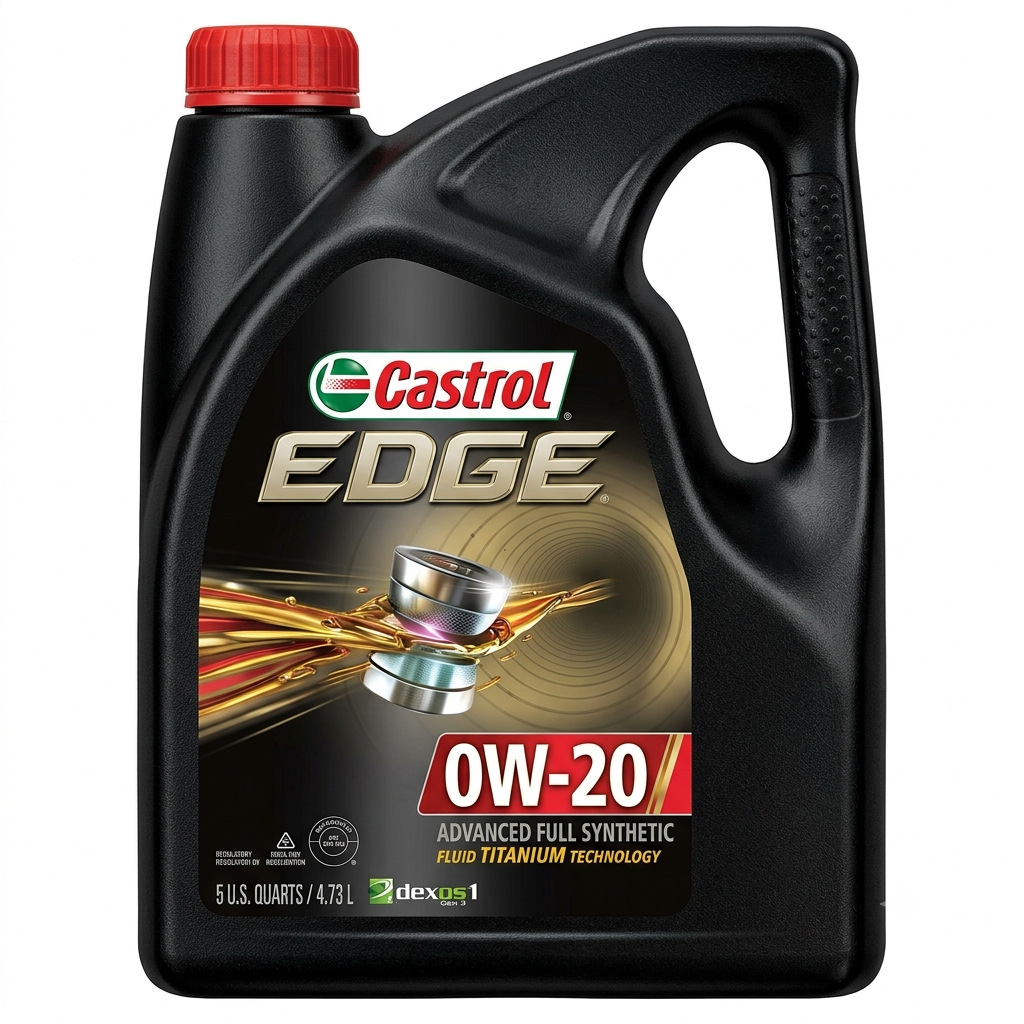
Always check your vehicle's owner's manual or the label printed directly on the engine oil filler cap. Most modern Japanese and domestic engines (such as Toyota, Honda, Subaru, and GM) specify 0W-20 full synthetic oil for optimal fuel economy and cold-start protection, while many older or turbocharged engines require 5W-30. Once you confirm the exact grade, you can use our verified Jiffy Lube or Valvoline service coupons to get that specific oil installed at a discount.
Is full synthetic motor oil really worth the extra cost over conventional oil?
Yes. Full synthetic motor oil resists high-temperature breakdown, prevents sludge buildup, and flows much faster during freezing winter starts than conventional oil. Because full synthetic lasts 7,500 to 10,000 miles between changes—nearly double the interval of conventional oil—it actually costs less per mile while offering far better protection for modern turbocharged and GDI engines.
Can I request a specific oil brand like Mobil 1 or Pennzoil when using a service coupon?
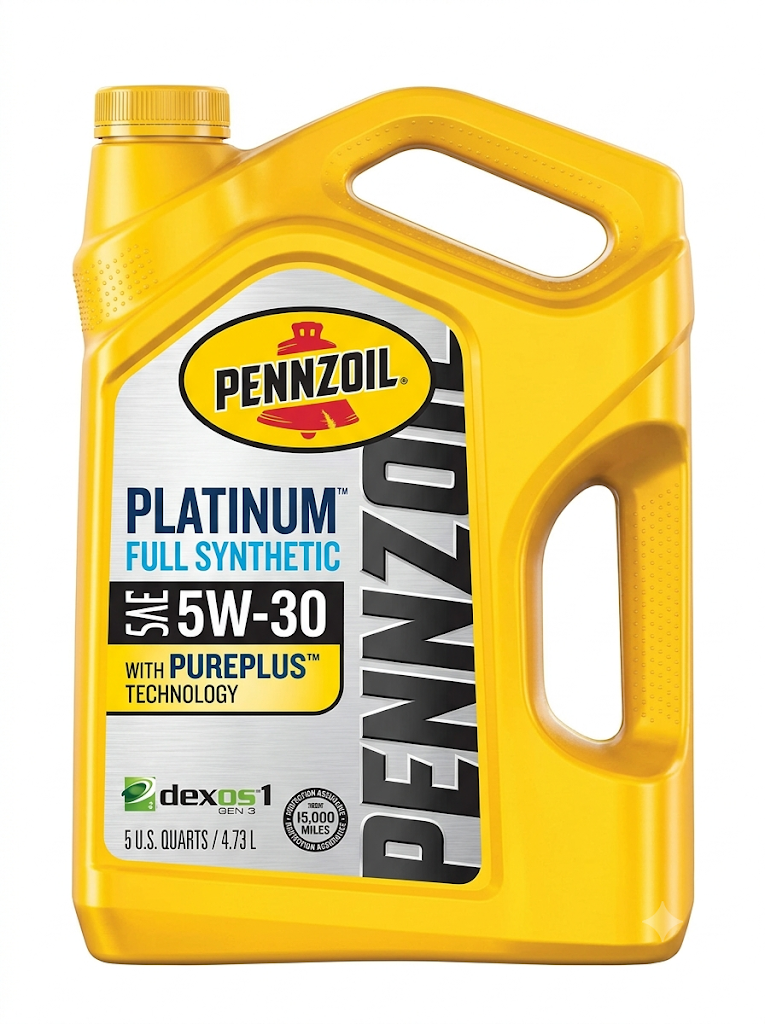
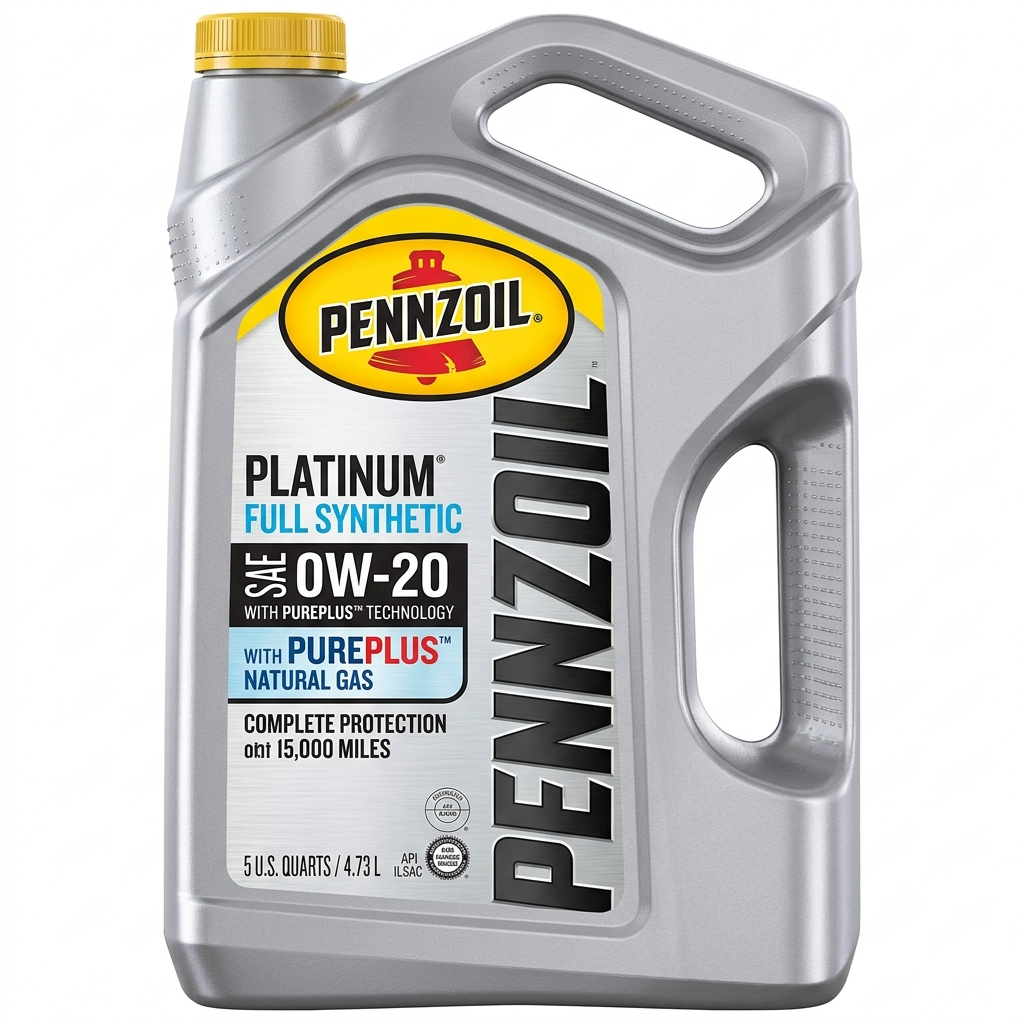
Yes, major US service centers partner with specific flagship oil brands: for example, Jiffy Lube Signature Service features Pennzoil Platinum, Take 5 and Valvoline Instant Oil Change use Valvoline Full Synthetic, and many independent shops carry Mobil 1. You can check each oil's specs on our catalog and apply an active OilChangeHack coupon at checkout to save $15 to $25 on your preferred grade.
When should I switch to High-Mileage motor oil?
Mechanics recommend switching to a high-mileage full synthetic or synthetic blend once your vehicle passes 75,000 miles. High-mileage formulas contain special seal conditioners that swell aging rubber gaskets to prevent minor oil leaks, along with extra anti-wear additives that reduce oil burn-off in older engines.
What do API SP, ILSAC GF-6A, and GM dexos1 Gen 3 mean on an oil bottle?
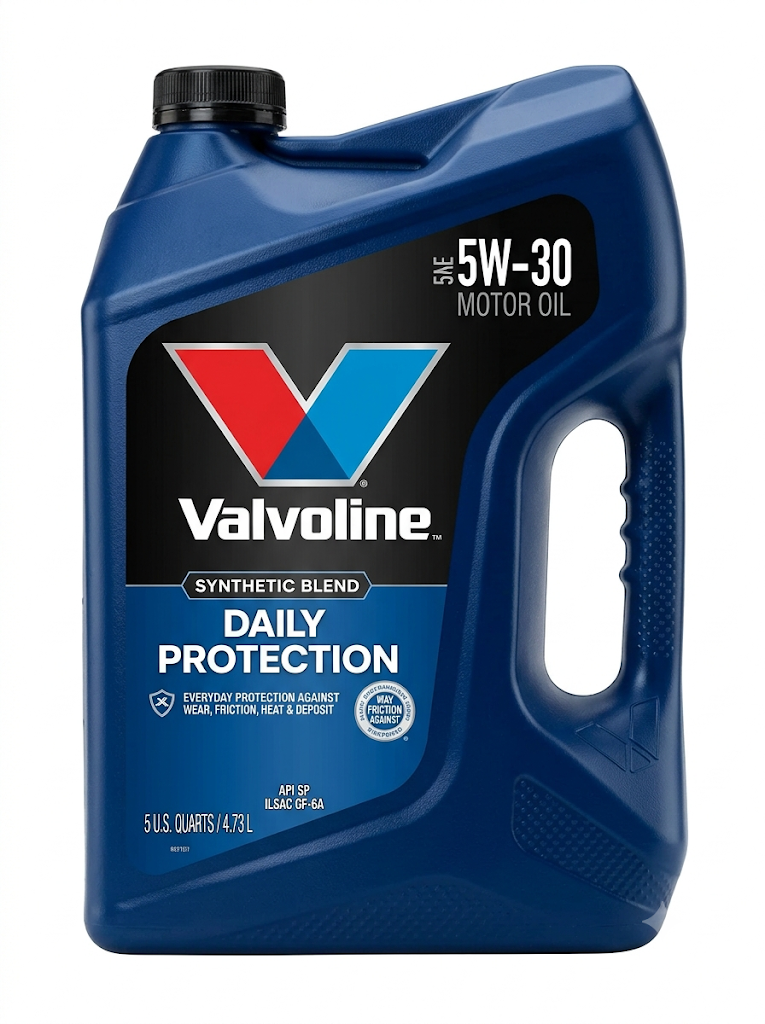
These are official industry and automaker certification standards. API SP and ILSAC GF-6A are the latest standards designed to protect modern engines from timing chain wear and low-speed pre-ignition (LSPI) in turbocharged motors. GM dexos1 Gen 3 is General Motors' strict proprietary specification required to maintain warranty coverage on Chevrolet, GMC, Buick, and Cadillac vehicles.
Is it cheaper to buy motor oil for a DIY change or use a shop coupon?
Buying a 5-quart jug of name-brand full synthetic oil and an OEM filter at a retail store typically runs $38 to $48—plus the time and hassle of jacking up the car and disposing of used oil. Using a verified OilChangeHack service coupon often brings a professional full-service synthetic oil change down to a comparable price, including a new filter, chassis inspection, and fluid top-offs in under 20 minutes.