
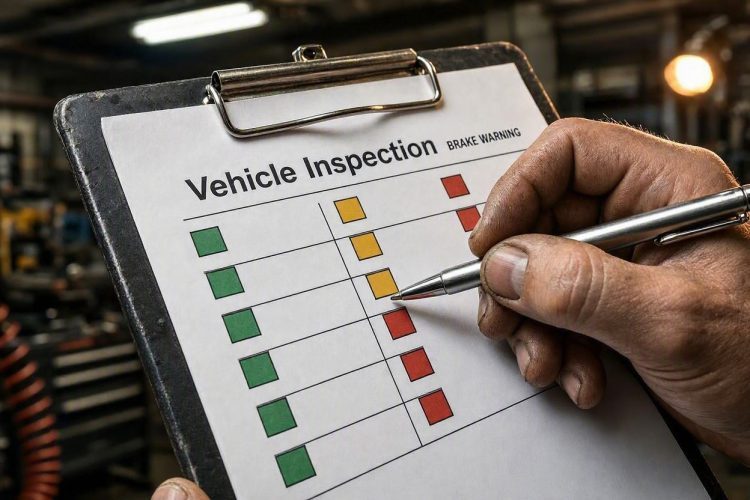
What is a multi-point inspection? It is a comprehensive visual check of your vehicle's essential systems—including brakes, fluids, filters, and tires—designed to identify safety hazards and wear. While advertised as an honest evaluation, falling for common oil change upsells and scams during this check can quickly turn a $30 coupon visit into a shocking $600 bill. While you're sitting in the waiting room drinking stale coffee, the service advisor hands you a "Free Multi-Point Inspection" report covered in alarming red and yellow checkboxes. Here is how to decode this report, spot fake recommendations, and avoid unnecessary lube shop upsells.
The Traffic Light Psychology
Modern point-of-sale systems generate vehicle inspection reports to trigger a psychological response. Green means good, yellow means caution, and red triggers immediate panic. Service advisors are trained to focus entirely on the red boxes to create a sense of mechanical doom. While drive-thru chains like Take 5 Oil Change perform visual checks right through your car window, traditional service centers like Jiffy Lube and Valvoline present you with this physical or digital multi-point checklist. However, the software generating these alerts often defaults to "yellow" or "red" based purely on odometer intervals rather than physical part wear.
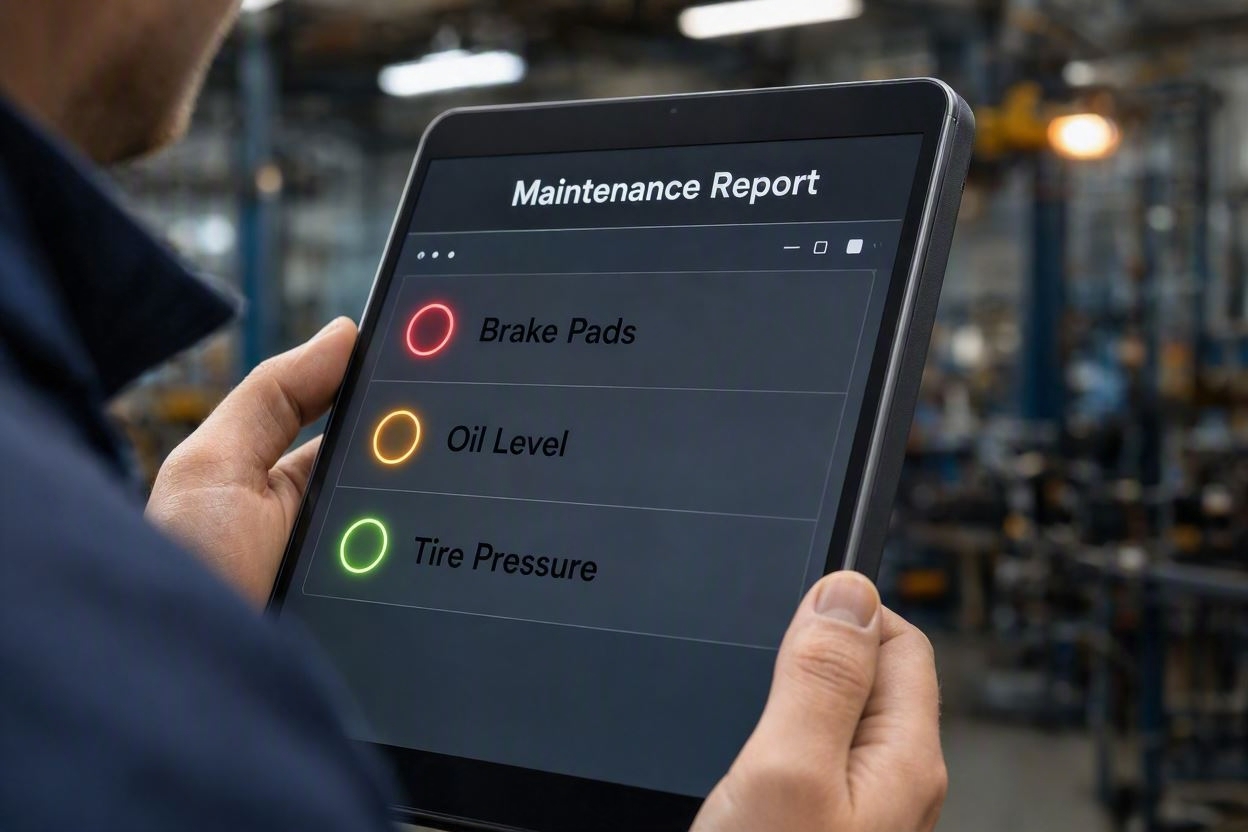
Red Does Not Always Mean "Danger"
When you see a red box, you must force the advisor to clarify if it is a safety issue or a maintenance interval.
- Legitimate Red: Brake pads worn down to 2mm, a visibly leaking brake line, or a tire with a massive sidewall bulge. If an inspection uncovers actual brake wear, dedicated repair chains like Midas often offer standalone brake evaluations and seasonal service discounts that cost far less than quick-lube markup rates.
- Fake Red: A recommendation for a $150 fuel injection cleaning or a power steering fluid flush simply because your odometer hit 50,000 miles. These are profit-padding maintenance tasks that pose zero immediate danger to your commute.
5 Common Oil Change Upsells You Should Decline
Quick-lube bay technicians earn commission or hit shop quotas by selling high-margin add-ons. If an advisor pressures you to add any of the following to your invoice, decline them on the spot:
- Engine Flushes & Fuel Additives: Modern synthetic oils already contain detergents. Unless an engine was severely neglected, aggressive chemical flushes can dislodge sludge into delicate oil passages without providing measurable benefit.
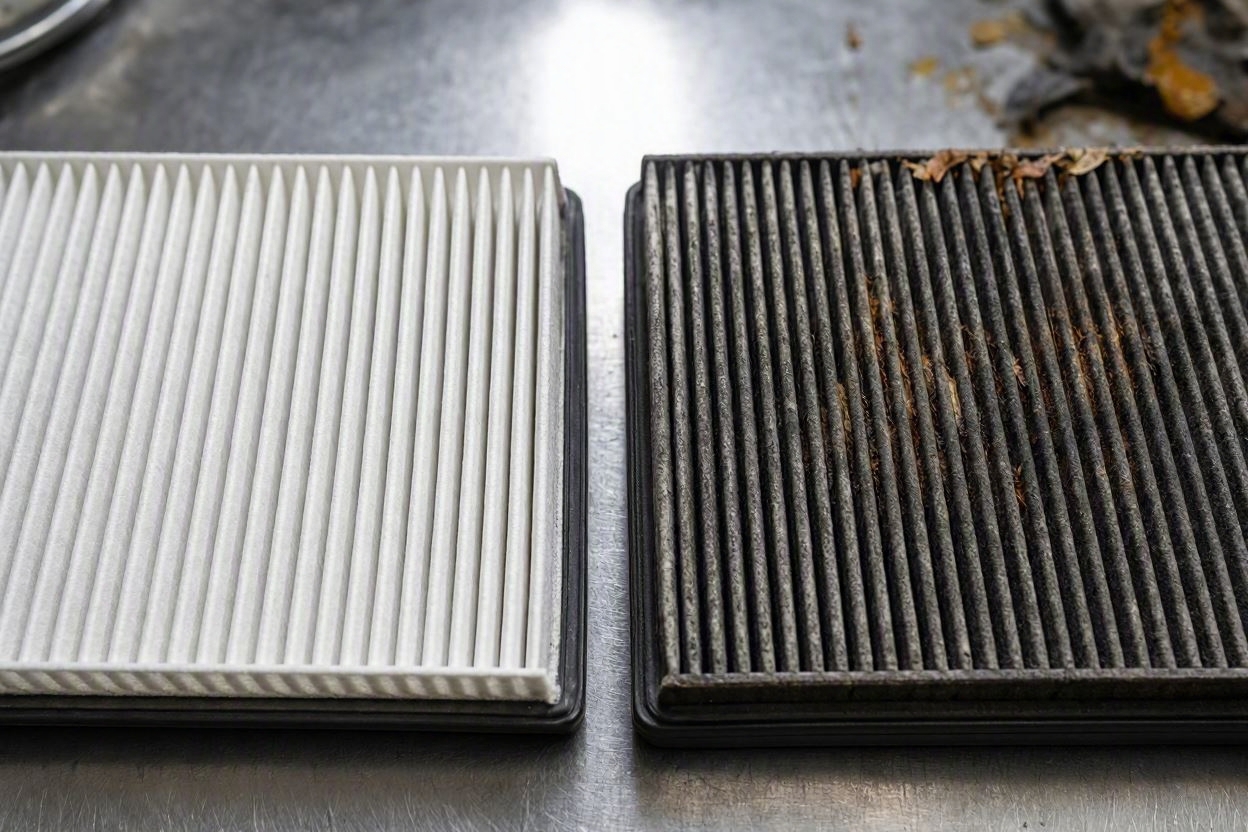
- Cabin and Engine Air Filters: Shops regularly charge $40 to $70 for filters. You can purchase the exact OEM-equivalent filter online or at AutoZone for $15–$20 and install it yourself in under 3 minutes without tools.
- Premature Transmission & Coolant Flushes: Always verify fluid service intervals against the schedule in your vehicle owner's manual, not a generic computer pop-up in the bay.
- Windshield Wiper Blades: Quick-lube locations charge up to 300% retail markup for standard wiper replacements.
- Differential & Transfer Case Service: Frequently recommended based solely on mileage rather than actual inspection or severe-duty driving conditions.
Stick to Routine Care & Dodge Bay Upsells
Never let high-pressure inspection sheets inflate your bill. Secure routine maintenance at baseline rates by unlocking a verified valvoline instant oil change coupon before your vehicle enters the service bay.
The "Fluid on a Towel" Illusion
The most common tactic accompanying the inspection report is the mechanic's paper towel trick. The technician will pull a sample of your transmission or differential fluid, wipe it on a stark white paper towel, and compare it to a sample of bright red, brand-new fluid. They will tell you your fluid is "burnt" or "dirty."
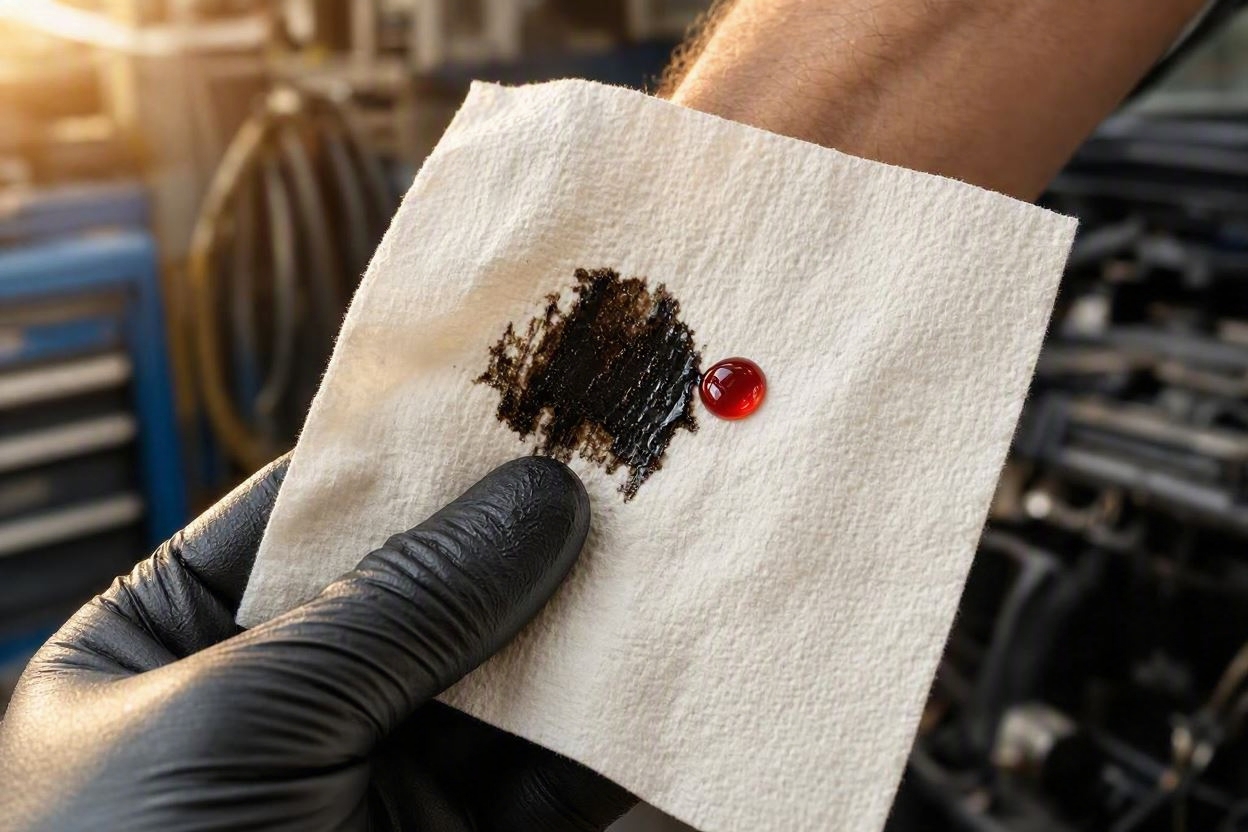
Do not fall for it. Automotive fluids change color rapidly due to normal heat cycles and harmless suspended carbon. Dark fluid is not necessarily degraded fluid. The only way to truly know if transmission fluid is shot is through chemical analysis or by strictly following the mileage intervals in your owner's manual—not by looking at a smudge on a rag.
Compare Deals Across Nationwide Service Centers
Review regional rates and dodge counter fees by exploring verified oil change coupon specials across all major automotive repair chains.
Browse Verified OffersThe Ultimate Take-Home Hack
Never let the high-pressure environment of the waiting room force you into an expensive decision. Treat the free multi-point inspection for exactly what it is: a free diagnostic roadmap.
Take the report, thank the advisor, and pay only for your discounted oil change. Once you are home, you can verify their claims. Check your cabin air filter yourself, buy replacement wiper blades online for half the price, or take the "urgent" brake recommendation to an independent local mechanic for a cheaper second opinion.
The smartest drivers use quick-lube shops for affordable, routine maintenance—not costly surprise repairs. Keep your maintenance budget strictly under your control, verify fluid capacities in advance, and present an authentic digital promotional barcode before the work order is drafted so you never overpay at the bay.