
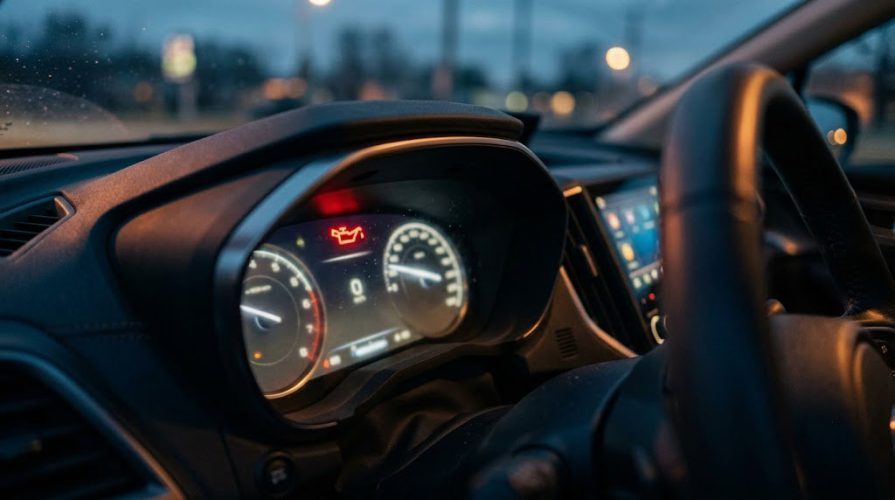
Low oil pressure means your engine's internal lubrication system is failing to circulate motor oil with enough mechanical force to protect rotating metal components. Without sufficient hydraulic pressure, critical engine parts—including crankshaft bearings, camshafts, and piston wrist pins—grind metal-on-metal without a protective fluid barrier. If the red oil can warning light illuminates on your instrument cluster or your oil pressure gauge drops toward zero, driving further risks catastrophic engine seizure within seconds.
At OilChangeHack, our mechanical team routinely advises drivers on emergency dashboard warnings and preventative maintenance routines. Below is an actionable breakdown of what low oil pressure means, the warning symptoms you should never ignore, common root causes, and how to resolve the issue before facing a multi-thousand-dollar rebuild bill.

Low Oil Pressure Symptoms: 5 Critical Warnings
Modern vehicles warn you through visual, audible, and tactile indicators when oil pump pressure drops below safe operational thresholds (typically under 10 to 20 PSI at warm idle):
| Warning Symptom | Underlying Mechanical Cause | Risk Level | Immediate Action |
|---|---|---|---|
| Red Oil Can Warning Light | Oil pressure sending unit registers below critical PSI limit | Extreme | Pull over immediately and turn off the engine |
| Engine Clattering / Ticking Noise | Hydraulic lifters and valvetrain starved of lubricant pressure | Severe | Do not accelerate; shut down powertrain immediately |
| Oil Pressure Gauge Near Zero | Faulty oil pump, severe leak, or failed sensor sending unit | High | Check dipstick fluid level once engine cools |
| Burning Oil Smell / Smoke | Oil leaking onto scorching exhaust headers from valve covers | Moderate | Inspect engine bay for external gasket oil leaks |
| Engine Overheating & Stalling | Severe unlubricated friction generating extreme mechanical heat | Catastrophic | Towing required; do not attempt engine restart |
Prevent Pressure Loss With Fresh Synthetic Fluid
Sludge accumulation and broken-down oil directly trigger pressure drops. Restore engine circulation and Get Up to $50 in Savings on a Pennzoil Full Synthetic Oil Change before visiting your local Firestone Complete Auto Care bay.
What Causes Low Oil Pressure in a Car?
When an engine loses hydraulic oil pressure, the root issue generally stems from one of four core mechanical categories:
1. Low Engine Oil Level (The Most Common Cause)
Can low oil cause low oil pressure? Absolutely. The oil pump draws liquid lubricant from the oil pan through a pickup tube screen. If internal oil consumption or external seal leaks cause the crankcase fluid level to fall below the pickup tube inlet, the pump starts drawing air instead of oil. Air compresses, preventing the system from building hydraulic pressure.
2. Dirty, Degraded, or Diluted Motor Oil
Neglecting oil change intervals breaks down viscosity modifiers. Motor oil contaminated with fuel blowby becomes too thin to sustain hydrodynamic wedge pressure across hot crankshaft bearings. Conversely, severely oxidized oil creates sludgy deposits that clog the pickup screen and oil filter media, starving downstream channels of volume.
3. Restricted Oil Filter
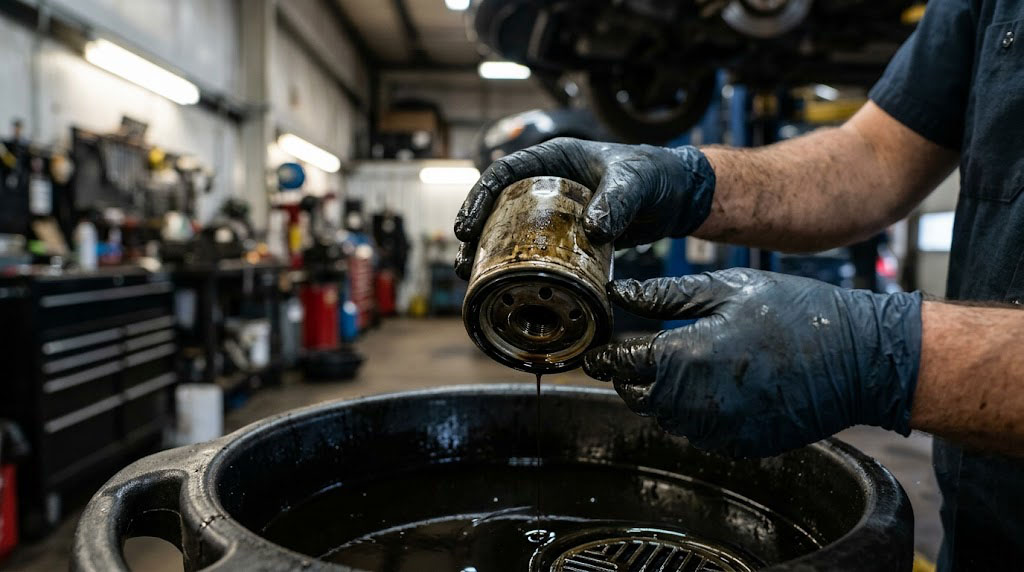
Budget or overdue oil filters collect debris until their pleated paper elements clog completely. While oil filters contain an internal pressure bypass valve to maintain fluid flow during blockages, the bypass valve allows unfiltered abrasive sludge into your engine while dampening overall gallery pressure.
4. Worn Engine Bearings or Weak Oil Pump
On high-mileage vehicles exceeding 150,000 miles, microscopic clearance wear between connecting rod bearings and the crankshaft journal allows pressurized oil to escape freely into the pan rather than maintaining system backpressure. A mechanically worn internal oil pump gear assembly produces similar symptoms, especially at warm idle.
5. Faulty Oil Pressure Sensor (Sending Unit)
Occasionally, low pressure is purely an electrical phantom. Engine oil pressure sensors live in harsh, vibrating, heat-soaked environments. A clogged sensor diaphragm or frayed wiring harness can falsely trigger the dashboard warning light even when physical engine pressure remains within factory spec.
What to Do Immediately When Low Oil Pressure Strikes
How you react in the first sixty seconds determines whether your vehicle requires an affordable fluid top-off or a brand-new crate engine:
- Safely Pull Over Right Away: As soon as the red oil indicator flashes or you hear tapping from the valve cover, signal and steer toward the shoulder or nearest parking lot. Do not try to make it home or drive another mile to a service bay.
- Shut Off the Engine Immediately: Turn the ignition off within seconds of stopping. Cutting ignition stops rotating friction before bearings overheat and weld to the crankshaft journals.
- Wait 10 Minutes and Inspect the Dipstick: Allow the hot fluid to drain back down into the crankcase sump. Pull the dipstick, wipe it clean on a rag or paper towel, reinsert it fully, and pull it out again. If the fluid level sits below the lower "Add" hole or crosshatch mark, add 1 to 2 quarts of the manufacturer's recommended viscosity grade immediately.
- Listen Carefully Upon Restart: If topping off fluid extinguishes the dashboard light and the engine idles quietly, you can drive gently to a nearby repair facility to check for leaks. If the warning light stays illuminated or clattering engine noise persists, turn the key off and call a tow truck.
How to Prevent Low Oil Pressure Issues
Guarding your powertrain against devastating hydraulic pressure loss takes straightforward preventative habits:
- Check Dipstick Levels Monthly: Modern turbocharged and direct-injected engines naturally consume between 0.5 and 1 quart of oil every 1,500 to 3,000 miles. Checking your dipstick once a month catches low oil levels long before the warning light trips.
- Stick to Mileage Intervals: Never push conventional oil past 5,000 miles or full synthetic past 7,500 to 10,000 miles. Fresh lubricant maintains sheer strength and prevents sludge buildup on the oil pickup screen.
- Use High-Quality Oil Filters: Pair synthetic fluid changes with synthetic media filters capable of capturing microscopic particulates without restricting high-RPM oil volume.