
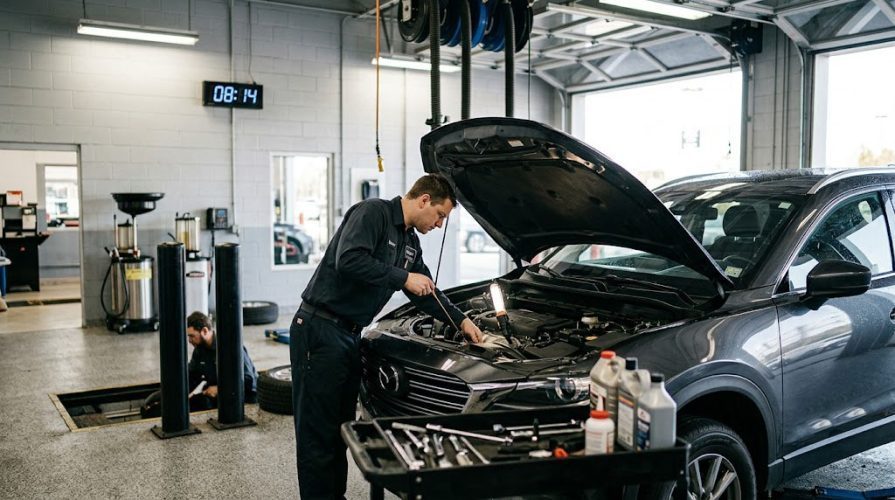
A professional oil change typically takes between 15 and 45 minutes, depending on whether you visit a stay-in-your-car drive-thru express bay, a traditional independent garage, or an automotive dealership. Dedicated express lube centers can drain old fluid, replace the spin-on filter, and check tire pressure in just 15 to 20 minutes, whereas franchised dealerships and general repair shops often require 45 to 90 minutes due to backlogged service queues and extensive multi-point inspection routines.
At OilChangeHack, our mechanics have timed hundreds of pit-stop operations across nationwide service networks. Below is a realistic breakdown of how long an oil change takes across different service formats, what technicians do during each minute in the bay, and actionable tips to avoid long waiting room delays.

How Long Do Oil Changes Take? Facility Comparison
Where you take your vehicle is the single largest variable determining your total turnaround time:
| Service Facility Type | Average Service Time | Appointment Needed? | Service Experience |
|---|---|---|---|
| Drive-Thru Express Lube (Take 5, Valvoline) | 10 – 15 Minutes | No (First come, first served) | Stay inside your vehicle; rapid pit-crew workflow |
| Traditional Quick Lube (Jiffy Lube, Midas) | 25 – 45 Minutes | Optional walk-in | Waiting room lobby; courtesy glass cleaning & vacuuming |
| Independent Auto Repair Shop | 45 – 60 Minutes | Recommended | Dropped off; mechanic works between heavier diagnostic repairs |
| Franchised Car Dealership | 60 – 90+ Minutes | Required | Extensive digital vehicle health check; multiple service bays |
| DIY Driveway Oil Change | 35 – 60 Minutes | N/A | Jacking up vehicle, fluid drain, filter swap, clean-up & disposal trip |
Need Fresh Synthetic in Under 15 Minutes?
Don't spend your afternoon stuck in a dealership waiting lounge. Pull directly into a drive-thru lane and scan an active take five oil change coupon to save both time and money at the register.
What Happens During a 15-Minute Oil Change?
Modern quick-lube facilities rely on two-person pit-crew teams—one upper-bay technician and one lower-pit technician—working concurrently to optimize service efficiency:
- Intake & Hood Latch (Minutes 0 – 2): The upper technician verifies oil viscosity specifications, pulls the dipstick to check initial oil condition, removes the oil filler cap, and checks air filtration elements.
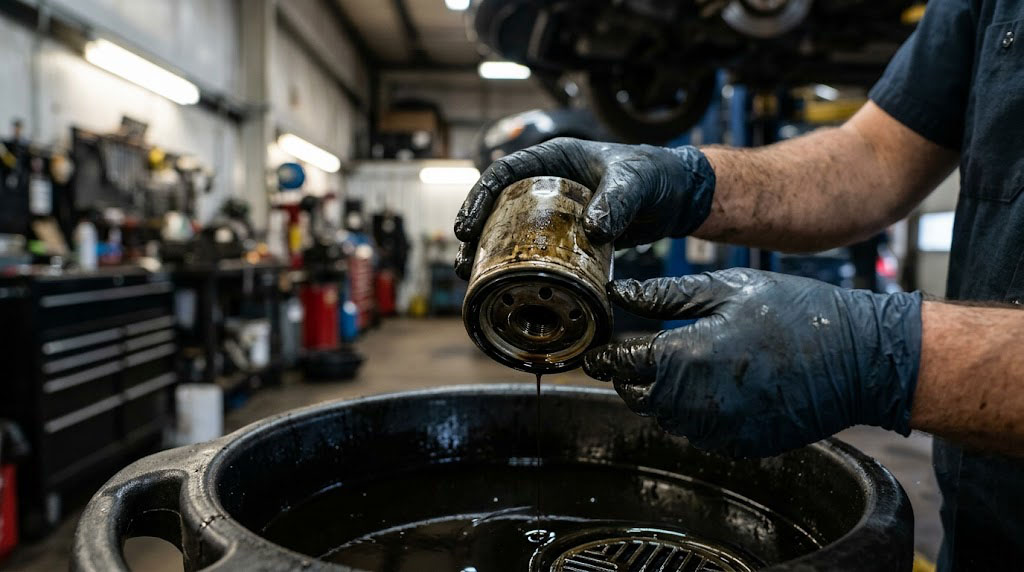
- Sump Drain & Filter Swap (Minutes 3 – 7): Working in the sub-floor pit beneath your vehicle, the lower technician unbolts the oil drain plug to evacuate scorching oil into an overhead funnel. Simultaneously, they spin off the old canister filter and torque a new OEM-grade filter into place with a fresh O-ring seal.
- Fluid Refill & Level Verification (Minutes 8 – 11): The upper technician uses overhead pneumatic dispensing meters to pump precisely 4.5 to 7.0 quarts of certified synthetic blend or full synthetic oil directly into the valve cover port.
- Quality Assurance & Multi-Point Checks (Minutes 12 – 15): The engine runs at idle for 30 seconds while the lower technician inspects the drain plug gasket for leaks under hydraulic pressure. While fluid circulates, technicians top off windshield solvent, check battery charge, and adjust cold tire pressure.
Why Some Oil Changes Take Over an Hour
If you have ever waited 90 minutes for a simple oil change, several underlying factors were likely at play:
- Underbody Skid Plate Removal: Many modern pickup trucks, European sedans, and off-road SUVs feature full aerodynamic skid plates or composite splash guards secured by 8 to 14 rusty bolts or fragile plastic clips that must be manually removed to access the oil filter housing.
- Hot Engine Cool-Down Delays: Plastic cartridge filter housings located on top of hot engine blocks require careful handling to avoid stripping composite threads.
- Bay Congestion and Staffing Bottlenecks: Peak lunch hours (11:30 AM to 1:30 PM) and Saturday mornings create multi-vehicle queues outside service doors, adding 30 to 45 minutes of line waiting before your car ever clears the threshold.
- Dealership Multi-Point Inspection Upsells: Franchise dealerships routinely perform comprehensive 50-point digital video inspections designed to find worn brake pads, suspension bushings, and coolant leaks, stretching a simple drain-and-fill into an extended service bay appointment.
4 Proven Ways to Cut Your Service Wait Time
Minimizing time spent at the lube shop requires straightforward planning:
- Visit Tuesday Through Thursday Morning: The fastest service turnaround happens mid-week between 8:00 AM and 10:00 AM, right after technicians open the doors and before mid-day commuter rushes build up.
- Avoid Saturday Peak Queues: Saturday is universally the busiest maintenance day of the week. Arriving on a weekend morning often means waiting in line behind three to five vehicles before entering the bay.
- Opt for Drive-Thru Locations: Drive-thru formats eliminate lobby paperwork and keep the focus strictly on mechanical speed without vehicle drop-off delays.
- Pre-Load Digital Discounts: Have your coupon barcodes saved on your smartphone screen prior to pulling up to eliminate counter payment delays.